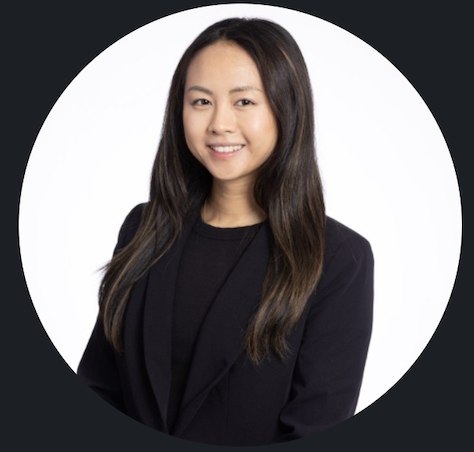
About Me
I’m a physician-scientist currently training as a Clinical Pathology resident at Harvard/Mass General Brigham. My research interests sit at the intersection of molecular pathology, immuno-oncology, and computational biology — and it’s largely driven by one question: why do some patients respond to immunotherapy while others are harmed by it?
I completed my MD/PhD at the Icahn School of Medicine at Mount Sinai, where my doctoral thesis in the Faith Lab demonstrated that 1) the gut microbiome confers susceptibility to immune checkpoint inhibitor–related colitis and 2) described microbiome dynamics in immunotherapy-related colitis (Shang et al., 2024, Journal of Experimental Medicine). I’ve also enjoyed collaborating with other labs to study the microbiome’s role in HIV (Cossarini, Shang, et al., 2024, Science Immunology), Crohn’s disease (Canales-Herrerias, Garcia-Carmona, Shang et al., 2023, The Journal of Clinical Investigations), and hepatocellular carcinoma (Barcena-Varela, Shang, et al., manuscript accepted) using both experimental and computational approaches. Additionally, I trained in using machine learning in Dr. Ron Do’s lab to built EHR-based models of disease risk (manuscript in submission).
My science journey started in 2013, working in an academic lab in Southern Illinois University as a high school student. Over 10+ years of training in academic labs later, I’ve built an extensive repertoire of both wet- and dry-lab approaches to investigating scientific questions.
Research interests
Immune-related adverse events. Checkpoint inhibitors have transformed oncology, but immune-related toxicity remains difficult to anticipate and difficult to manage. My PhD work demonstrated how gut microbial communities can confer susceptibility to immune toxicities caused by these cancer drugs (Shang et al., 2004, Journal of Experimental Medicine). I remain interested in the microbiome as both a biomarker and a modifiable variable, as well as expanding beyond microbiome-based biomarkers (e.g. germline mutations, cell free DNA, etc) to better predict and understand immune-related adverse events.
Computational biology and clinical data. I build machine learning models on large-scale electronic health record data, most recently a model for coronary artery disease prediction (manuscript under review), and survival analyses examining how social determinants of health drive disparities in patient outcomes.
Get in touch
I’m always glad to hear from people working on immune-related toxicity, microbiome–immune interactions, or computational approaches to clinical laboratory data!